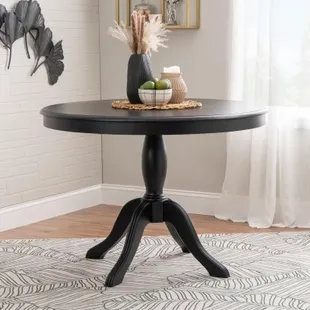
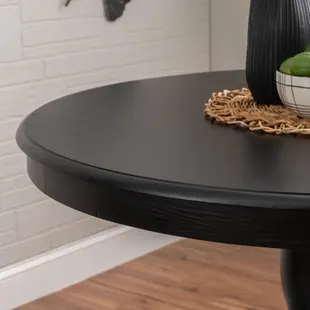
$383.99
15 miles
Ashley Furniture
No filters selected
$383.99
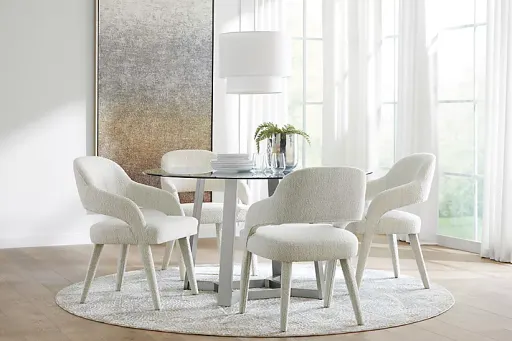
$899.99
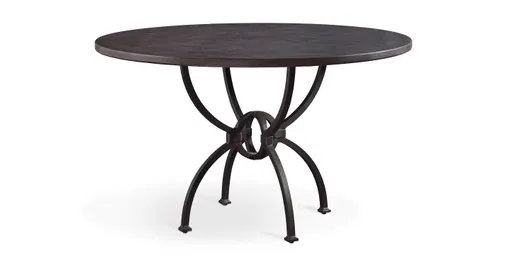
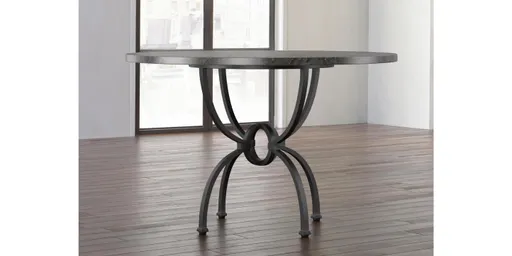

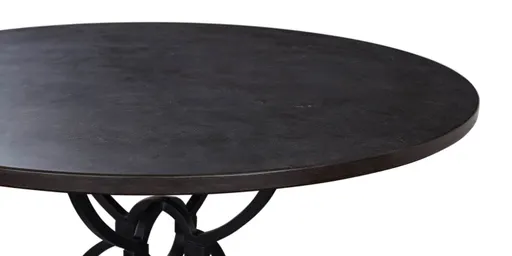
$3,149.00$1,619.00
$2,365.00$1,773.75
$4,120.00$3,090.00
$4,699.00$3,289.00
$5,500.00$3,850.00
$1,199.99
$179.99
$1,995.00$1,496.25
$949.99
$3,379.00$2,366.00
Showing 1 to 24 of 504 results
A dining table sets the limit on how many people you can seat and how the room flows around them, which is why size and shape matter more than finish. From a 4-seat round for an apartment to a 10-seat rectangle for a full household, the right table starts with your room's dimensions, not the photo. Browse the full range below and use Furnzy to compare dining tables from local retailers before you measure the room.
A dining table is the surface a room is built around, and its size is set by two numbers: roughly 24 inches of table edge per person, and 36 to 42 inches of clearance on every side so chairs pull out and people walk behind them. A 60-inch rectangle seats six; a 48-inch round seats four to six; a 96-inch table seats eight to ten. Get those numbers right before you think about style.
Tables divide on shape, base, and material. Pair one with matching dining chairs or a dining bench, or browse dining sets to buy the table and seating coordinated.
Every style below is available to browse and compare across local retailers on Furnzy:
Size the room before the table. Measure the space and subtract 36 to 42 inches of clearance on every side. That's the maximum table footprint that still lets chairs pull out and people pass. Only then size the table to seats, at about 24 inches per person. On Furnzy, you can filter dining tables by dimensions and seating across local retailers, so you only compare tables that fit the room you have.
Match the shape to the room and the use. Rectangular seats the most and suits long rooms; round eases conversation and tight traffic but seats fewer; square fits square rooms; oval gets rectangular capacity with softer corners. The room's proportions should pick the shape.
Decide whether you need to extend. If your everyday number is four but you host eight twice a year, an extendable table with a leaf solves both without a table that's too big the other 363 days.
Choose the material for the wear it'll take. Solid wood (oak, acacia, mango) hides daily use and can be refinished; veneer looks similar for less but can't be sanded; glass suits modern rooms but shows every print; marble and stone are striking but heavy and need sealing against stains. A farmhouse table in solid wood takes hard family use better than most.
Shape is the first real decision. It sets both capacity and how the room moves.
Rectangular tables seat the most people, line up neatly in long or open-plan rooms, and leave a wall-side option in tight spaces. They're the default for households of five or more.
Round tables seat everyone within conversation reach, remove sharp corners, and fit square or small rooms better, but capacity climbs slowly, and a round table big enough for eight needs a wide room and leaves an unreachable center.
| Size | Rectangular seats | Round seats | Best For |
|---|---|---|---|
| 36–44 in | 4 | 4 | Apartments, breakfast nooks |
| 60 in | 6 | 6 | Standard family dining |
| 72–96 in | 8–10 | N/A | Large households, entertaining |
Choose rectangular for capacity and long rooms. Choose round for four-to-six seats, conversation, and tighter or square spaces.
Once you know your shape and seat count, Furnzy lets you compare dining tables filtered by size and material across local retailers side-by-side, so you're only evaluating tables that fit your room and seat your household, with pricing and availability visible across multiple stores before you make the trip.
Families who eat together daily need a table sized to the household plus the clearance to use it, typically a 60- to 72-inch rectangle seating six to eight.
Apartment and small-space dwellers get the most from a round or extendable table that seats four day-to-day and expands only when guests arrive.
Frequent entertainers are the natural fit for a long rectangular or extendable table that handles a crowd without dominating the room year-round.
Open-plan households use the table to anchor the dining zone, where a rectangular or oval shape lines up cleanly with a kitchen island or a sideboard.
Dining table sizes, shapes, and materials vary widely across retailers, and seating claims are often optimistic. Furnzy brings local retailer options together so you can compare real dimensions and materials side-by-side before visiting a store, instead of finding out the table seats six only if nobody needs elbow room.
Choosing a dining table means weighing room clearance, seat count, shape, base, and material, across retailers who each stock a different range. Furnzy brings local retailer inventory together in one place, so you can compare those variables side-by-side, narrow your shortlist to tables that genuinely fit your room and seat your household, and walk into one store instead of five.
A dining table comes down to three numbers (the room's clearance, the seats you need, and the width to seat them), settled before any question of finish. Get those right and the table works for years. Browse the range on Furnzy, compare what local retailers actually stock, and walk into a showroom with your room's measurements already in hand.