$3,588.00
Schewels Home
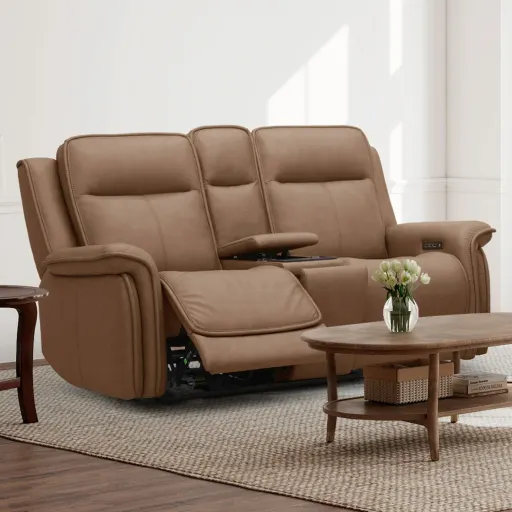
Loveseats are the most space-efficient seating in furniture — two full seats in a footprint a sofa can't fit. They anchor apartments, studios, and bedrooms, or pair with a larger sofa to finish a living room. Browse the full range below and use Furnzy to compare loveseats from local retailers before you measure twice and buy once.
A loveseat is a two-seat upholstered sofa — typically 48 to 72 inches wide, against the 84 inches or more a standard three-seater needs. That smaller footprint is the entire point: it seats two adults comfortably in rooms where a full sofa would block a walkway or swallow the space. The same construction rules apply, though — a kiln-dried hardwood frame separates a loveseat that lasts a decade from one that loosens at the joints in a few years, and particleboard frames rarely survive a single move.
Loveseats work as a primary seat in a studio or bedroom, or as a companion piece to a larger sofa in a living room. Pair one with a couple of chairs and an ottoman and a small room seats four without feeling crowded.
Every style below is available to browse and compare across local retailers on Furnzy:
Width and doorway come first. Measure the wall the loveseat will sit against and leave at least 30 inches of walkway around it. Then measure the diagonal of the frame against your narrowest doorway or stair turn — width on the spec sheet means nothing if it won't clear the entrance. On Furnzy, you can filter loveseats by width across local retailers, so you only compare frames that actually fit your room and your door.
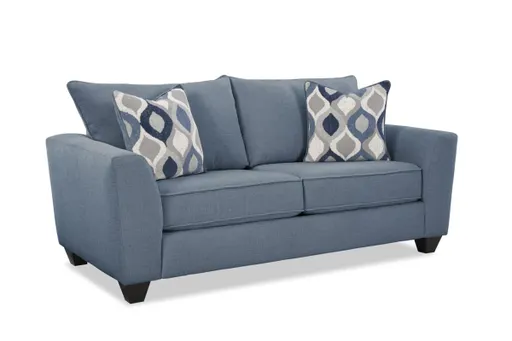
Arm style and leg height decide how big it feels. Slim track arms can save 8 to 12 inches over rolled arms at the same seat width, and raised legs let light pass under the frame so the piece reads lighter in a small room. In a studio, these two choices matter more than the upholstery colour.
Seat depth should match how you sit. Standard depth (21–22 inches) suits upright sitting and small frames; deep-seat loveseats (24 inches plus) are built for lounging but eat floor space and can leave shorter adults without back support. In a compact room, standard depth almost always wins.
Upholstery sets your maintenance reality. Performance fabric resists staining — look for a Martindale rub count above 25,000 for daily use. Leather wipes clean but costs more per inch; velvet suits mid-century modern rooms but needs more upkeep than most expect.
Both solve small-room seating, but they solve different problems — the deciding factor is how many people sit, not which looks better in a photo.
A loveseat seats two, fits rooms from 8 feet wide, and leaves room for a chair or two alongside it. It's the better call for studios, bedrooms, offices, and as a companion to an existing sofa.
An apartment sofa seats two to three at 72–84 inches wide and works when the loveseat would leave you one seat short but a full sofa won't fit. It's the better call for a small living room that's the household's main gathering space.
| Type | Width | Seats | Best For |
|---|---|---|---|
| Loveseat | 48–72 in | 2 | Studios, bedrooms, companion seating |
| Apartment sofa | 72–84 in | 2–3 | Small living rooms, main seating |
Choose a loveseat if the room is under 12 feet wide or the seat is secondary. Choose an apartment sofa if you need the third seat and the wall can take 7 feet.
Once you know your maximum width and seat count, Furnzy lets you compare loveseats and compact sofas filtered by size across local retailers side-by-side — so you're only evaluating pieces that fit your floor plan, with pricing and availability visible across multiple stores before you commit to a showroom trip.
Studio and apartment dwellers get the most from a compact loveseat with slim arms and raised legs. It delivers two real seats without the floor space a full sofa demands, leaving room to actually move through the room.
Anyone furnishing a bedroom or home office can add a seating spot — or an occasional bed, with a sleeper frame — without crowding the primary furniture.
Households pairing seating in a living room use a loveseat as the companion piece to a sofa, adding two seats and squaring off a conversation area without a bulky second sofa.
Renters and frequent movers benefit from the lighter frame: a loveseat clears tight doorways and stairwells that defeat full-size sofas, and it's far easier to move alone.
The same two-seat frame varies widely in width, upholstery grade, and price across local retailers. Furnzy brings those options together so you can compare and shortlist before visiting a store — instead of discovering the differences after you've already made the trip across town.
Choosing a loveseat means weighing width, arm style, seat depth, upholstery grade, and frame construction — across retailers who each stock a different range. Furnzy brings local retailer inventory together in one place, so you can compare those variables side-by-side, narrow your shortlist to the frames that genuinely fit your room, and walk into one store instead of five.
A loveseat rewards getting two numbers right — the width that fits your room and the diagonal that clears your door. Nail those, confirm the frame and fabric, and the rest is style. Browse the range on Furnzy, compare what local retailers actually stock, and walk in with your measurements and a shortlist already in hand.
No filters selected
$3,588.00
$1,195.95
$988.00
$1,947.00
$3,999.99
$1,702.99$1,309.99
$3,681.99
$2,131.99$1,639.99
$635.18$525.47
$979.95
$1,080.00
$2,849.95
Showing 1561 to 1584 of 2,880 results